
Nairobi: Africa’s Next Luxury Capital
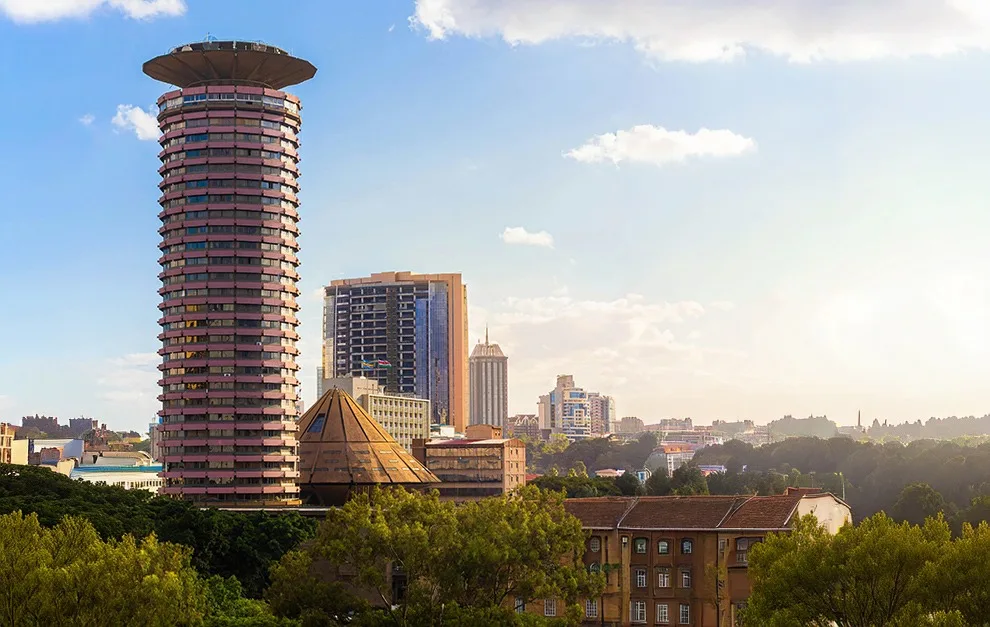
Nairobi is fast becoming one of the cities to watch in the global luxury real estate market. From its humble origins as a railway stopover built by the British meant to connect the then capital, Mombasa, to Uganda, to its current role as one of Africa’s most dynamic markets, it’s clear that Nairobi is not just another city. This article lays out what makes Nairobi an emerging luxury capital and how it compares to other leading African cities when it comes to luxury real estate.
Why Nairobi Is A Rising Luxury Capital
1) Nairobi’s Global Ranking
Nairobi ranks among the top cities globally for luxury real estate price growth, and in some cases, it has outperformed cities like London and Paris. As of 2023, the luxury capital was ranked 9th out of 45 cities in Knight Frank’s Prime Global Cities Index. This index tracks the changes in luxury residential prices. Furthermore, the Kenyan capital was ranked the 4th wealthiest city in Africa according to the 2024 Africa Wealth Report, published by international wealth advisory firm Henley & Partners. Closer home, Nairobi stands as East Africa’s richest city, with about 4,400 millionaires.
2) Nairobi’s Global Connectivity & Access
Nairobi serves as the main hub for East Africa’s transportation owing to its strategic location and its elaborate infrastructural connectivity to neighbouring regions and the rest of the world. Below are some of the vital transport facilities that the luxury capital offers:
- Air Transport: Jomo Kenyatta International Airport, Nairobi’s main air traffic hub, connects the city to 65 airports in 42 countries with direct flights. Additionally, Kenya’s aviation sector has seen significant growth in passenger traffic. In 2024, Kenya’s commercial air traffic was around 12.83 million total passengers, with 7.28 million being international travelers.
- Logistics: Nairobi also facilitates the transfer of goods to landlocked countries in East and Central Africa, making it a crucial center for East Africa’s goods transshipment. The Nairobi-Mombasa highway facilitates the transportation of goods to neighboring Uganda, Rwanda, and Burundi. The Standard Gauge Railway (SGR) provides an alternative transport network that connects the Mombasa Port to Nairobi, aiding in easing congestion on the highway.
High connectivity means easier access for owners, guests, and renters within the luxury capital. High-end properties become more attractive when people can travel in and out conveniently without long stopovers.
3) Nairobi’s Unique Urban-Nature Lifestyle
One major edge Nairobi has is its unique blend of urban living and natural beauty. This feature makes the luxury capital an attractive destination for those seeking modern conveniences alongside serene surroundings. The city’s natural environment is ranked 10th globally and it is the only capital in the world with a national park just minutes away from its CBD. This unique park is home to a variety of wildlife, against the backdrop of Nairobi’s skyline—a true urban oasis.
This effortless fusion of nature and modernity doesn’t just stop at the business centres. It extends to residential areas as well. Affluent neighborhoods like Karen blend lush, green landscapes with upscale villas, allowing residents to experience one of Africa’s richest ecosystems along with the pleasures of urban life.
4)Nairobi’s Advanced Tech Landscape
Over the last decade, Nairobi has risen as a major player in the global tech landscape, earning the moniker “Silicon Savannah” due to its thriving tech sector, which is teeming with businesses, incubators, and ground-breaking inventions. Nairobi’s dominance in technology isn’t accidental. The luxury capital boasts one of the most dependable and fast internet connections and government regulations that encourage technological advancement.
This robust tech ecosystem not only drives economic growth but also elevates the prospects for luxury real estate investment by increasing demand for high-end developments, particularly in the commercial and residential sectors.
Nairobi Vs Other African Luxury Capitals
Here are a few ways Nairobi compares to other peer African cities as a budding luxury capital:
- Diverse Client Base: The Cape Town market typically attracts international buyers mostly looking for vacation properties, while Lagos’ market is more geared toward ultra-wealthy Nigerians and regional buyers. Nairobi’s buyer base, on the other hand, is very diverse with investors ranging from local elites, diaspora Kenyans, diplomats and multi-national executives. This varied base helps cushion against market fluctuations, maintain demand, and lend stability to its luxury real estate sector.
- Pricing Advantage & Potential: Nairobi offers better value compared to other luxury capitals. For instance, with less than $200K in Nairobi, you can get a luxury 2-bedroom space with premium amenities. In Cape Town, the same amount may get you very average suburban space. Moreover, Cape Town’s established luxury market means that much of the prime pricing may already be fully realized, making price appreciation difficult. Nairobi’s younger market, however, offers both decent yield and appreciation potential.
- Steady Currency and Investment Security: Compared to markets like Lagos with a volatile currency, Nairobi offers more stability and resilience, giving investors more confidence. For cities such as Accra, where premium properties exist but on a smaller scale, Nairobi offers a more balanced and larger luxury market supply.
Conclusion
Nairobi’s luxury real estate is a fascinating combination of global appeal, nature, connectivity, and tech advancement. And while other African cities hold their own allure, Nairobi’s fusion of value, accessibility, and unique lifestyle puts it on a steady trajectory to become Africa’s next true luxury frontier. If you are ready to invest in this dynamic capital, contact us and we’ll gladly walk you through our unparalleled portfolio of luxury properties in the city’s most prime locations.