
Managing Rental Properties Remotely: Tips for Landlords Not Based in Kenya
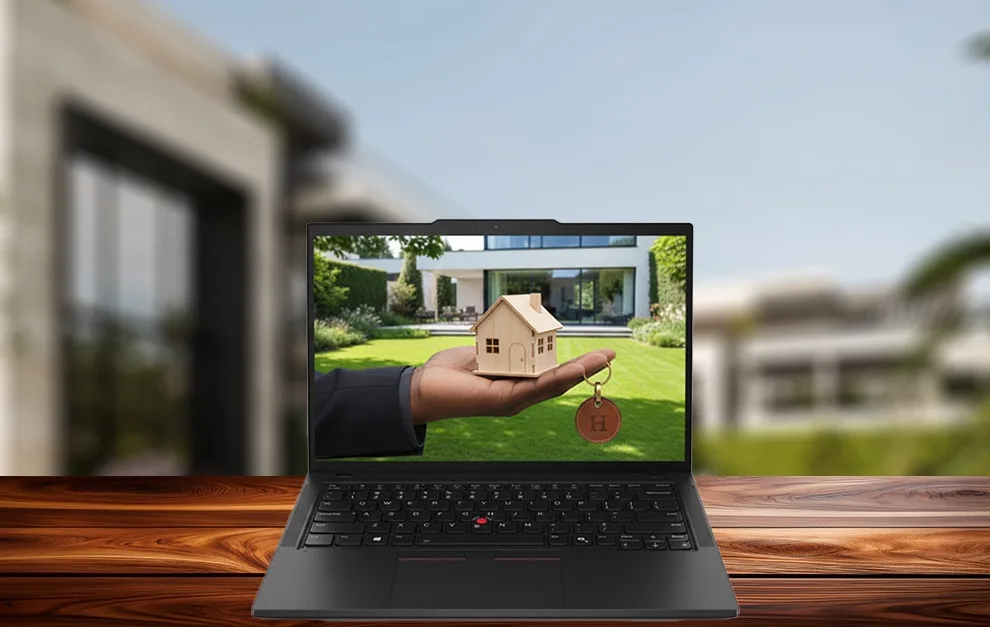
With Nairobi fast becoming a real estate giant on the continent and on a global scale, buying rental property in the city is perhaps one of the smartest moves for foreign investors. For Kenyans living abroad, investing in property back home is a powerful way to build wealth and maintain connections to their heritage.
However, with the distance comes real risks that can turn your investment into a nightmare. This article explores the challenges that come with managing rental properties remotely and how you can navigate them to ensure you manage your property effectively.
The Challenges of Managing Rental Properties Remotely
Having limited physical access to your property as an investor bears heavy risk. Below are some of the challenges you are likely to face when managing rental properties remotely:
- Communication Barriers: Managing property remotely often involves navigating time zone differences, which can delay critical communication and decision-making. This becomes worse when dealing with emergencies or situations that require immediate attention and action.
- Property Maintenance Issues: Regular maintenance is a top priority when it comes to keeping your property in the best condition. However, it becomes increasingly difficult to do so when you’re not around. Additionally, if you lack a trustworthy and reliable management team, your property may be neglected or suffer subpar repairs from unreliable contractors. Delays in maintenance can result in serious degradation, which lowers the property’s market value and makes it less appealing to prospective tenants.
- Legal Compliance: Keeping up with local real estate legal updates can be quite difficult when you’re away, especially if the locale isn’t your country of origin. In a country like Kenya, where legal frameworks are ever-changing, you need to always be on the lookout. Non-compliance can lead to legal disputes, fines, demolitions, construction bans or worse. These can greatly impact your investment and lead to significant financial losses.
- Tenant Management: Without an effective team, remote tenant management can be a daunting task. From marketing vacancies effectively, vetting potential tenants, collecting rent, to resolving tenant disputes; if not handled properly, these can result in prolonged vacancy periods, reduced rental income, and subsequently, lower return on investment.
Managing Rental Properties Remotely The Right Way
Even though managing rental properties remotely has downsides, there are still ways to get it right. Here’s how you can effectively manage your rental property as a remote owner:
1. Working With A Reliable Property Management Company
Since remote property management is a hassle, you need the right property management company to alleviate all your anxieties while you’re away. How will you know you’re working with the right team? Through vetting. A reputable company will have the necessary licences required for operations.
In Kenya, property managers are licensed and registered by the Estate Agents Registration Board (EARB). The right management company also offers clear and transparent communication. They should be able to provide regular updates and reports on critical information such as rent status, expenses, repairs and occupancy rates.
2. Utilizing Tech Tools For Smoother Operations
In this era of significant tech advancement becoming part of our daily lives, failing to utilize digital tools is clearly working backwards. Below are some of the ways you can digitize your operations:
- Virtual tours and inspections: Through platforms such as Matterport, video calls via WhatsApp or Zoom.
- Smart home integrations: Such as remote CCTV monitoring, smart locks and energy trackers to monitor tenants’ usage.
- Property management software: Tools such as HostAway help track rent, maintenance, and occupancy in real time.
- Automated rent collection: Through platforms such as Mpesa, Flutterwave, PayPal, or direct bank integrations.
3. Fostering Tenant Relations
Cultivating good relationships with your tenants is paramount. They are, after all, the ones that keep your investment running. Don’t just sit and wait for your tenants to bombard you with problems. Regularly send them surveys for feedback and maintenance requests. You can even incorporate a reward system for either long-term tenants or tenants who pay their rent without delays. This not only incentivizes them to stay but also signals that you appreciate them as clients.
4. Legal & Tax Compliance
Ensure you engage a trusted legal expert who will help you navigate the legalities of rental property ownership in Kenya, such as compliance with the Landlord and Tenant Act. Moreover, Non-resident landlords are required to declare rental income in Kenya. The Kenya Revenue Authority (KRA) levies a 10% withholding tax on gross rent. Legal personnel will help ensure your property complies with all current laws, mitigating risks and protecting your investment from legal entanglements.
5. Protecting Your Investment
Every smart investor knows that you need to protect your assets. Insure your property against calamities such as fire, vandalism, and rent default. Furthermore, keep an emergency fund. This comes in handy when you’re faced with sudden damage and repair is needed.
6. Financial Tracking
When it comes to money, putting all your eggs in one basket is not the wisest move. Even with a robust property management team, you still need to track the financial performance of your rental property. Utilize tools such as Excel dashboards or property ROI calculators to track your rental property’s gross yield, occupancy rate, and annual appreciation.
Final Thoughts
Managing rental properties remotely comes with its own set of risks. However, it doesn’t always have to be an uphill battle. With the right systems, digital tools, and trusted partners, you can keep your Kenyan investment running smoothly, no matter where you live. Ready to invest or manage your property in Kenya from abroad? Get in touch with us to learn how we can help you own and manage your property from anywhere in the world.
