
Infrastructure Corridors Driving Kenya’s Next Property Boom
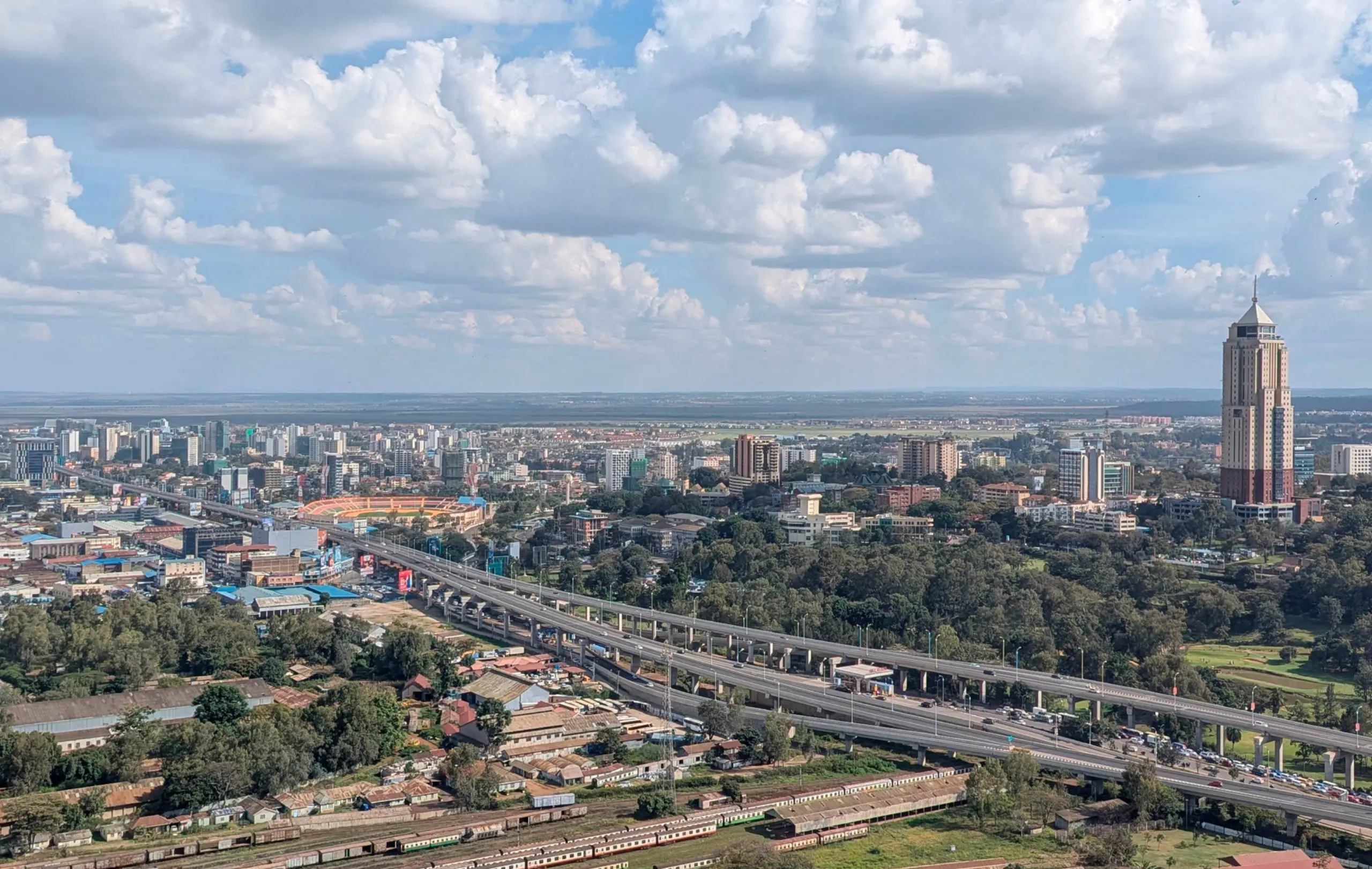
Infrastructural development and real estate growth are inseparable. All over the world, infrastructure has historically impacted property values and caused a ripple effect of attracting investors, businesses and residents. In Kenya, the story is no different. Over the years, infrastructural developments in the country’s major towns and cities have shifted how and where people buy property.
Shrewd investors, therefore, set their sights on infrastructure corridors in Kenya that will enable them to benefit from capital appreciation and rental returns. This article explores what infrastructure corridors are, their role in real estate growth, key infrastructure developments that have transformed Kenya’s property market, and what investors should look out for before buying along infrastructure corridors.
What Are Infrastructure Corridors?
Infrastructure corridors are geographic zones where multiple transport networks converge to connect urban centres, industrial hubs and ports. Typical elements of infrastructure corridors include:
- Highways and expressways
- Railway networks
- Power transmission networks and pipelines
- Ports and inland logistics hubs
Infrastructure corridors improve connectivity within regions, attract industrial activity and over time, evolve into regional economic hubs.
How Infrastructure Corridors Drive Real Estate Growth
Infrastructure corridors drive real estate growth in several ways, mostly by acting as an economic catalyst that opens up interest in property. Below are ways in which infrastructure development impacts real estate growth:
Rising Property Values: Areas with improved infrastructure experience an upward trajectory in property value. Reliable transportation networks make areas more appealing to residents and businesses. This attraction leads to increased demand, which in turn raises the value of real estate within the area.
Influx Of Local & Foreign Investment: Infrastructure improvements draw attention to investors as they signal business opportunities and economic growth, which are often positive drivers of long-term real estate growth. Investors will therefore inject capital into property located along infrastructure corridors.
Enhanced Accessibility: Infrastructural development makes previously remote areas accessible, opening them up for more residential and commercial activity. Reduced commute times due to improved transportation in these areas make them ideal for working class residents. These areas don’t only become a magnet for people to live and work. Efficient infrastructure in these areas allows easier and faster distribution of goods from production areas to markets, reducing delivery times and supply-chain disruptions.
Emergence Of New Urban Nodes: Infrastructure corridors typically usher in the development of satellite towns. As the city centres become congested and overpopulated, new transport pathways lead to the expansion of new or existing urban centres.
Infrastructure Corridors Transforming Kenya’s Real Estate Market
When it comes to the real estate landscape in Kenya, its growth has largely been shaped by the infrastructural development surrounding it. Below are infrastructure examples that have been instrumental in Kenya’s property boom:
1. The Nairobi Expressway
The Nairobi Expressway is a 27KM dual-carriageway toll road from Mlolongo to the James Gichuru junction. The road, launched in 2022, connects the Jomo Kenyatta International Airport to Nairobi’s Westlands area. Since its inception, the road has significantly transformed accessibility within Nairobi, especially along the Mombasa corridor.
Areas that were previously considered as the city’s outskirts, such as Mlolongo, Syokimau, Athi River and Kitengela, are now budding real estate investment hubs. The following are three key ways in which the Nairobi Expressway has contributed to the property boom in Nairobi:
- Reduced Commute Times: The Expressway has significantly reduced commute times from Nairobi’s peripheries to the city centre and other financial capitals such as Westlands. What used to be nearly 3 hours of commuting to areas such as Syokimau from the city centre has drastically been reduced to 30 minutes during peak times. This convenience has resulted in a dramatic rise of residential, commercial and mixed-use developments along the infrastructure corridor as people are naturally drawn to areas that offer accessibility.
- Surging Property Prices: Previously, land in areas such as Syokimau was selling at an average of Ksh 3- 10 million. According to Business Daily, by the close of 2024, prime plots in the area were fetching over KES 14–16 million, representing an approximate 20% annual growth rate.
- Increase In Rental Demand & Yield: Thanks to the Nairobi Expressway, rental demand in these satellite towns has also surged. Reports indicate that occupancy rates in Syokimau rose from 70% in 2020 to over 90% in 2024, driven by working professionals commuting easily to CBD and Westlands. Areas around the Expressway now record rental yields of 4.9–6%, supported by capital appreciation averaging 7–12% annually.
2. The Standard Gauge Railway (SGR)
While the Nairobi Expressway improved road access between the capital and its peripheries, the Standard Gauge Railway (SGR) completely transformed regional connectivity and multi-modal transport. The SGR’s passenger and cargo lines between Nairobi and Mombasa opened up new real estate opportunities in the towns located along the railway network’s stations. Here’s how the SGR has influenced real estate growth:
- Increased demand for industrial and logistic hubs near SGR terminals such as Athi River, Syokimau, and Mariakani.
- The dual connectivity of the SGR and major road networks such as the Expressway and the Nairobi-Mombasa Highway has ensured sustained demand for residential, commercial and industrial spaces.
- Growth of commercial real estate around SGR terminals.
- Development of residential settlements catering to professionals commuting between Nairobi and Mombasa or between various SGR terminals.
3. The Thika Superhighway
A trailblazer in Kenya’s modern road infrastructure, the Thika Superhighway has, over the last decade, significantly reduced travel times between Nairobi and Thika, inciting massive real estate development along its extensive corridor. New residential estates, commercial hubs and logistics centres have emerged thanks to this infrastructural phenomenon.
4. The Lamu Port-South Sudan-Ethiopia Transport (LAPSSET) Corridor
The LAPSSET project aims to enhance regional connectivity by linking Kenya, Ethiopia, and South Sudan. Its real estate impact includes:
- Boosting commercial property development in Lamu and Isiolo.
- Growth of logistics hubs catering to trade and transportation services.
- Increased demand for residential properties for workers and investors.
What Investors Should Look for Before Buying Along Infrastructure Corridors
The presence of infrastructural development does not immediately signal growth and opportunity. Investors still need to evaluate the viability of projects. Here’s what investors should watch out for before buying property along infrastructure corridors:
- The Project’s Progress: How far along is the project? Has it even started? These are the questions you need to ask yourself as a potential investor. Avoid investing based on mere announcements of planned infrastructural projects. Instead, focus on actual progress. A completed project or one that’s on the tail end of completion carries less risk than one that is still an idea.
- Demand Drivers: Infrastructure development does not work alone. Be on the lookout for other growth factors surrounding the project such as business parks, industrial spaces and social amenities like learning institutions, hospitals and retailers. The best property markets in Kenya combine commercial activity, infrastructure development and population growth.
- Accessibility: One of the main aims of infrastructure is to enhance accessibility and connectivity. Before investing along infrastructure corridors evaluate: the distance of the project to major financial districts, the project’s connection to other main roads, highways and transport modes and the ease it offers for commuting, particularly during peak hours. An infrastructure development that ticks all these boxes indicates strong demand and value growth for real estate.
- Liquidity: One of the most important aspects of property investment is how easy it is for you to exit the market. Before you invest near infrastructure projects, it is important to know whether or not reselling your property will be an uphill task.
Conclusion
Infrastructure development will always be one of the strongest indicators of future real estate growth. In Kenya, this truth has already been realized thanks to investments in infrastructure corridors that have redefined property markets in the country. Investors who understand the impact of infrastructure corridors on real estate development and act early on will be the key players of Kenya’s next property boom.
As always, VAAL Real Estate Kenya is already ahead of the curve. Our developments are strategically placed along key infrastructure corridors within Nairobi to ensure you get the most out of your investment. Ready to invest in property built for value and strong rental returns due to strategic infrastructure development? We offer prime real estate in infrastructure magnets such as Westlands and Karen, where your investment is positioned for maximum returns. Contact us today and secure your place in Nairobi’s property market.
Frequently Asked Questions (FAQs)
What is the meaning of an infrastructure corridor?
An infrastructure corridor is a designated area where major infrastructure developments such as roads, railways, airports, utilities, and communication networks are concentrated to support economic growth and improve connectivity.
Why are infrastructure corridors important for real estate investors?
Infrastructure corridors improve accessibility, reduce travel times, attract businesses, and stimulate economic activity. As a result, property values, rental demand, and investment opportunities often increase in areas located along these corridors.
What are five examples of infrastructure?
Five common examples of infrastructure include:
Roads and highways
- Railways and transit systems
- Airports
- Water and sewerage systems
- Electricity and telecommunications networks
What is an example of an infrastructure corridor in Kenya?
The Nairobi Expressway Corridor is one of Kenya’s most notable infrastructure corridors. Since its completion, areas connected to the expressway have benefited from improved accessibility, increased commercial activity, and growing demand for residential and investment properties.
