
Your 2026 Guide To Buying Homes For Sale In Nairobi
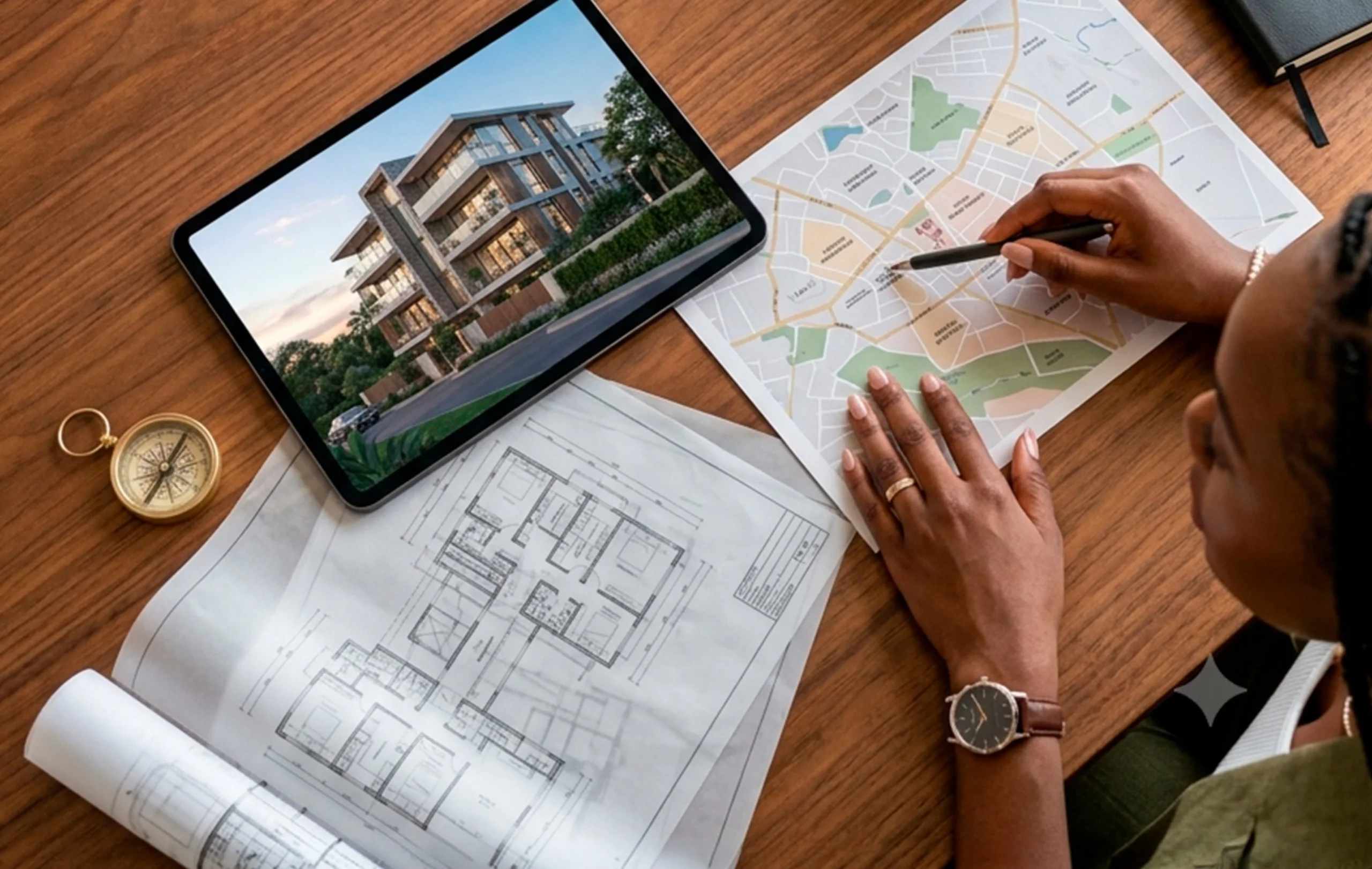
Homeownership is one of the most important steps in life that one will ever take. Yet, many buyers go into it blindly and end up suffering huge losses later. Buying a home in Nairobi in 2026 means being met with a sea of options to choose from, owing to the city’s booming property market. However, it also means making strategic decisions to ensure you don’t get burned. This guide breaks down the essential steps you need to take in your journey to buying homes for sale in Nairobi.
Your Guide To Buying Homes For Sale In Nairobi
Buying a home can feel intimidating, especially as a first-timer. That is why you need to employ a strategic approach that will help you secure property that will benefit you even in the years to come. Here are critical steps you need to take when buying homes for sale in Nairobi.
1. Homes For Sale In Nairobi: Defining Your Homeownership Goal
Before jumping into a decision as crucial as homeownership, the very first thing you ought to do is interrogate your reason for buying. Do you want the home to be your primary residence? Is it for investment purposes? Is it your retirement home, or are you planning to move your family in? Your “why” is very important as it acts as the roadmap for the rest of the decisions you will make. Setting clear goals will help you to select the right property that will match your needs.
2. Homes For Sale In Nairobi: Determining Affordability
How much are you willing to pay for the home of your dreams? This question can be easily answered with a budget. Besides the purchase price, you have to consider other costs such as:
- Deposit: In the case of a payment plan, how much can you pay as downpayment? How much can you comfortably pay in installments?
- Legal Fees: When purchasing homes for sale in Nairobi, seeking legal expertise is unavoidable. Estimate the cost of having a lawyer throughout the entire purchase process.
- Title Deed Search: This enables you to know whether the property you’re about to buy has been sold to someone else besides you. It only costs KES 1,500 to do a title search paid via the Ardhisasa website or E-citizen platform.
- Valuation Fees: This entails evaluating a property to ascertain its market value in order to calculate taxes or to facilitate the leasing, selling, or the purchase of property. The cost of valuation varies from one area to another. However, for standard residential homes for sale in Kenya, it typically ranges from KES 25,000 to KES 50,000.
- Stamp Duty: Homes in Kenya must incur tax levies known as stamp duty to be approved as taxed property. Stamp duty is usually 4% of the property value for urban lands and 2% for rural lands. It is usually paid after valuation has been completed.
These are just some of the costs typically associated with the purchase process. But, owning a home is a lifetime financial commitment. There are costs that you will still have to cater for beyond your purchase, such as service charges, property insurance, and maintenance costs. This applies tonwhether you’re buying in Nairobi or evaluating other homes for sale in Kenya, Africa. Your budget should clearly outline the estimates of costs before and after your purchase to avoid any surprises.
3. Homes For Sale In Nairobi: Choosing The Right Location
When it comes to buying homes in Nairobi, location is everything. The location of your Nairobi home directly influences the quality of your life as a resident. As a potential investor, your home’s location will greatly impact the kind of tenants you are likely to attract and the rental income you will earn. You therefore need to buy a house that is in a secure neighbourhood, with proximity to major transport networks, lifestyle amenities and commercial centres.
Below are the best areas to buy homes in Nairobi:
- The Inner Premium Belt: Kilimani, Westlands, Lavington, Kileleshwa. These areas have a balanced mix of high-density luxury apartments and family homes, with proximity to lifestyle hubs and commercial centres and strong rental demand.
- Luxury Suburbs: Karen, Runda, Muthaiga, Gigiri, Loresho. These are low-density, gated communities and stand-alone homes. They are popular among diplomatic and executive residents with land-driven appreciation. They are characterized by green spaces, tight security and upscale social amenities.
- The Mid-Market Segment: Towns along Ngong’ Road (Rongai, Ngong, Kiserian), Ruaka, Ruiru, Syokimau. These areas are popular due to their rapid infrastructure investment and growing middle-class demand.
4. Homes For Sale In Nairobi: Securing Financing For Your Home
Understanding your financing options gives you more leverage as a potential buyer. Should one option fail, you can always go back to the drawing board and evaluate the rest. The good news is, Kenya’s real estate market provides buyers with a multitude of financing mechanisms for homeownership, making it easier to access both homes for sale in Nairobi and other homes for sale Kenya, Africa, such as:
- Developer Payment Plans: Several property developers in Kenya offer buyers flexible payment plans, especially for off-plan properties. Instead of an upfront payment, buyers pay installments over a specified period to the developer. Payment plans are a great choice for many buyers as they are typically tailored to each individual’s financial situation.
- Sacco Loans: SACCOs provide flexible repayment arrangements, reduced interest rates, and expedited loan approvals for active members. Unlike commercial banks, they have less strict collateral requirements, making them an attractive option for many home buyers in Kenya.
- Mortgages: These are loans that are solely for real estate financing. They are typically offered by banks and other financial institutions. You borrow a significant portion of the property’s value and repay it over a specified period with accruing interest. The property itself serves as collateral for the loan.
5. Homes For Sale In Nairobi: Conducting Due Diligence
Before committing to your purchase, it is important to carry out thorough due diligence checks. Conducting due diligence enables you to make a confident and informed decision and grants you assurance that you are getting your money’s worth.
- Legal Due Diligence: This involves verifying the documentation of your property in terms of ownership, property liens and zoning compliance.
- Physical Due Diligence: It is crucial to conduct a physical inspection of your home before you sign on the dotted line. Inspect the building for any cracks, leakages and water damage. Check the condition of fixtures and whether critical systems such as plumbing and electrical wiring are functional.
6. Homes For Sale In Nairobi: Planning Your Exit Strategy
The smartest buyers think about the end even before they begin their homeownership journey. Purchasing a home that serves your current needs is important, but it should also benefit you in the long-run. Your ideal home should be adaptable enough to serve you at different stages of your journey. It should be comfortable enough for you to live in, generate sustainable rental income consistently if you decide to rent it out, and provide guaranteed appreciation and future resale value.
Conclusion
Buying a home in Nairobi in 2026, is not just about buying what you like or what’s popular. It is about carefully taking into account your goals, financial situation and the long-term implications of your purchase decision. By following these essential steps, you will be able to make an informed choice and select a home that will benefit you now and in the future. Looking to start your journey into homeownership in Nairobi? Explore VAAL Real Estate’s portfolio of developments that offer a combination of luxury, convenience and value and find your dream home today.
Frequently Asked Questions (FAQs)
Can foreigners buy houses in Nairobi?
Yes. Foreigners can buy houses and apartments in Nairobi under a leasehold title, which is the most common tenure for apartments and many residential developments.
Is property in Nairobi a good investment?
Nairobi remains one of Kenya’s strongest real estate markets due to its growing population, expanding infrastructure, and consistent demand for quality housing.
Is it cheaper to build or buy a house in Kenya?
The answer depends on your budget, timeline, and location. Building a house can offer greater customization but often involves purchasing land separately, managing contractors, and dealing with potential delays and cost overruns. Buying a completed or off-plan home is typically more convenient, provides greater cost certainty, and allows buyers to move in or start earning rental income sooner.
How much does it cost to buy a three-bedroom house in Kenya?
The cost of a three-bedroom house varies significantly depending on the location, type of property, amenities, and developer. In Nairobi’s prime residential areas, prices generally range from KSh 15 million to over KSh 80 million, while homes in satellite towns and emerging suburbs may be available at lower price points.