
A Guide To House Flipping As An Investment Strategy
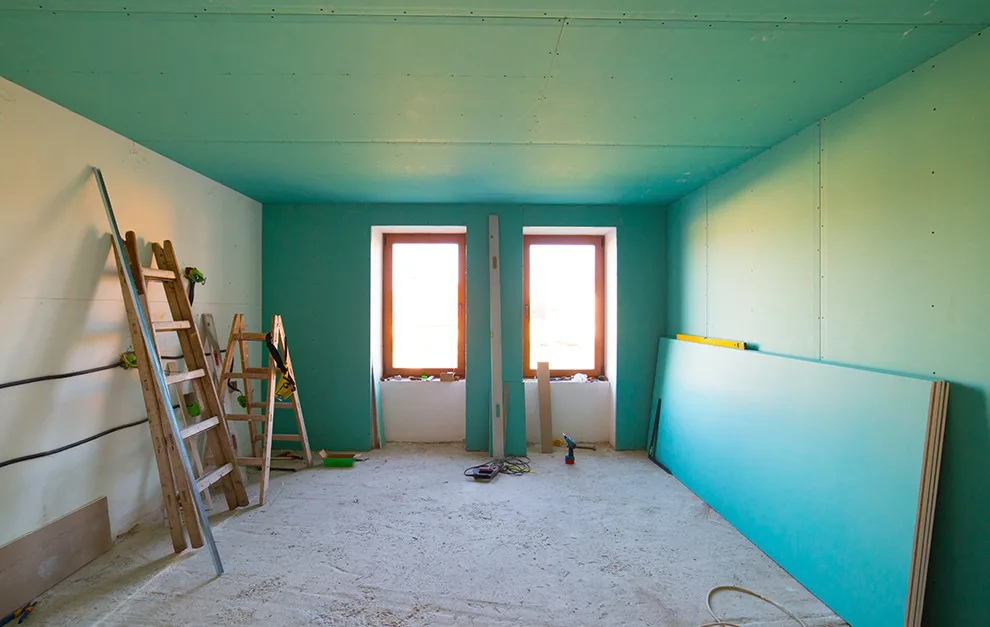
If you’re a fan of Hollywood movies, you’re probably familiar with the trope where the unpopular character, who no one wants to be associated with, gets a makeover. Suddenly, they’re in demand, everyone wants to befriend them, and their social status dramatically skyrockets. This is basically the concept behind house flipping.
An investor buys an undervalued property, renovates or upgrades it, and then later resells it at a higher price for profit. House flipping is a fairly new concept in the Kenyan market. However, it’s slowly gaining traction, especially in Nairobi and its environs. If you’re curious about house flipping as an investment strategy, this article helps explain the process, why it’s still a novelty in Kenya, and where the opportunities within the Kenyan market lie.
Why House Flipping Is Uncommon In Kenya
The Kenyan real estate landscape is very diverse. There are plenty of sectors for you to choose from, as well as several financing methods and investment strategies you can use to enter the market. When it comes to investment strategies, however, house flipping is still in its infancy. Here are some reasons why:
- High Land Acquisition Costs: The process of buying property in Kenya is an expensive affair. Even the cost of rundown property may be high just because it sits on prime land or it’s situated in a desirable location. To add on, you must meet the additional costs of legal fees, taxation and transactions.
- Buyer Preferences: Most Kenyan buyers prefer brand new homes to older renovated ones. The popularity of off-plan projects is also an indicator of just how new Kenyan buyers like their properties to be. This mentality is prevalent because for most Kenyan buyers, property is seen as a family legacy and a form of security instead of a mere trading asset.
- Legal and Regulatory Limitations: Most Kenyan property, especially in urban areas, is marred by land disputes and unclear title deeds. The situation is especially worse for older property. Moreover, lengthy approval processes slow down flipping.
- Limited Financing Access: Since house flipping isn’t a common investment strategy in Kenya, there aren’t any concrete and structured financing plans for it. This means that as an investor, you will need extremely high capital to start, not only when purchasing the property but also when upgrading it.
House Flipping As An Investment Strategy: The Process
If you are new to house flipping as an investment strategy, here is a step-by-step guide on how to do it right:
- Market Research: The first step is always research. You should always be aware of what you’re getting yourself into. You can do this by identifying ideal areas for flipping, buyer preferences, and price trends for renovated homes.
- Budget: Once you understand the market, you must then decide how much money you’re willing to spend. The key is to always aim to buy low and sell high. You can also use the 70% rule, where you buy and renovate for 70% of the after-sale value. Remember to factor in costs such as stamp duty, legal fees, taxes, and upgrades.
- Site Visit: Never make the mistake of buying without seeing the property. In fact, you should probably do it before signing the contract. Since you’re purchasing an old property, you need to meticulously assess its condition. This procedure will also inform your budget.
- Legal Checks: Investing in old property means that you need to heavily scrutinise the ownership structure. Engage a lawyer to verify previous ownership, the title deed, and any outstanding claims, mortgages, or liens.
- Renovating: When it comes to upgrading your property, prioritize sensitive components such as the drainage and sewer system and wiring. You should also make sure utility areas such as the kitchen and bathrooms are upgraded with functional and modern fixtures. Don’t forget to enhance curb appeal. A well-renovated facade can raise perceived value by 20–30%.
- Pricing & Selling: Study the local market to benchmark your pricing. This will help you to avoid overestimating your resale value.
House Flipping As An Investment Strategy: The Hotspots
Even though house flipping as an investment strategy is not as common, that doesn’t mean it can’t happen. Here are examples of areas in Kenya where it could work:
- Undervalued Properties: Look for older bungalows, maisonettes, or apartments in established estates like South C and Donholm. These homes are close to the city centre, well-connected by road, and still in demand among renters and first-time buyers.
- Satellite towns: Consider upcoming urban centres such as Kitengela and Syokimau where infrastructure upgrades are driving up real estate value.
- Luxury Segments: Flipping villas in Karen, Runda, and Kitisuru can be great if your target demographic is high-net-worth buyers.
Final Word
House flipping isn’t just about buying an old home and making it prettier. It’s a strategic procedure that involves selecting the ideal property, sensibly raising its value and precisely timing the market. If done right, flipping houses can help you swiftly accumulate wealth and reinvest in better real estate finds. However, if this isn’t your cup of tea and you would rather invest long-term, we’re here to help.
