
The Cost of Delay: How Waiting Kills Returns
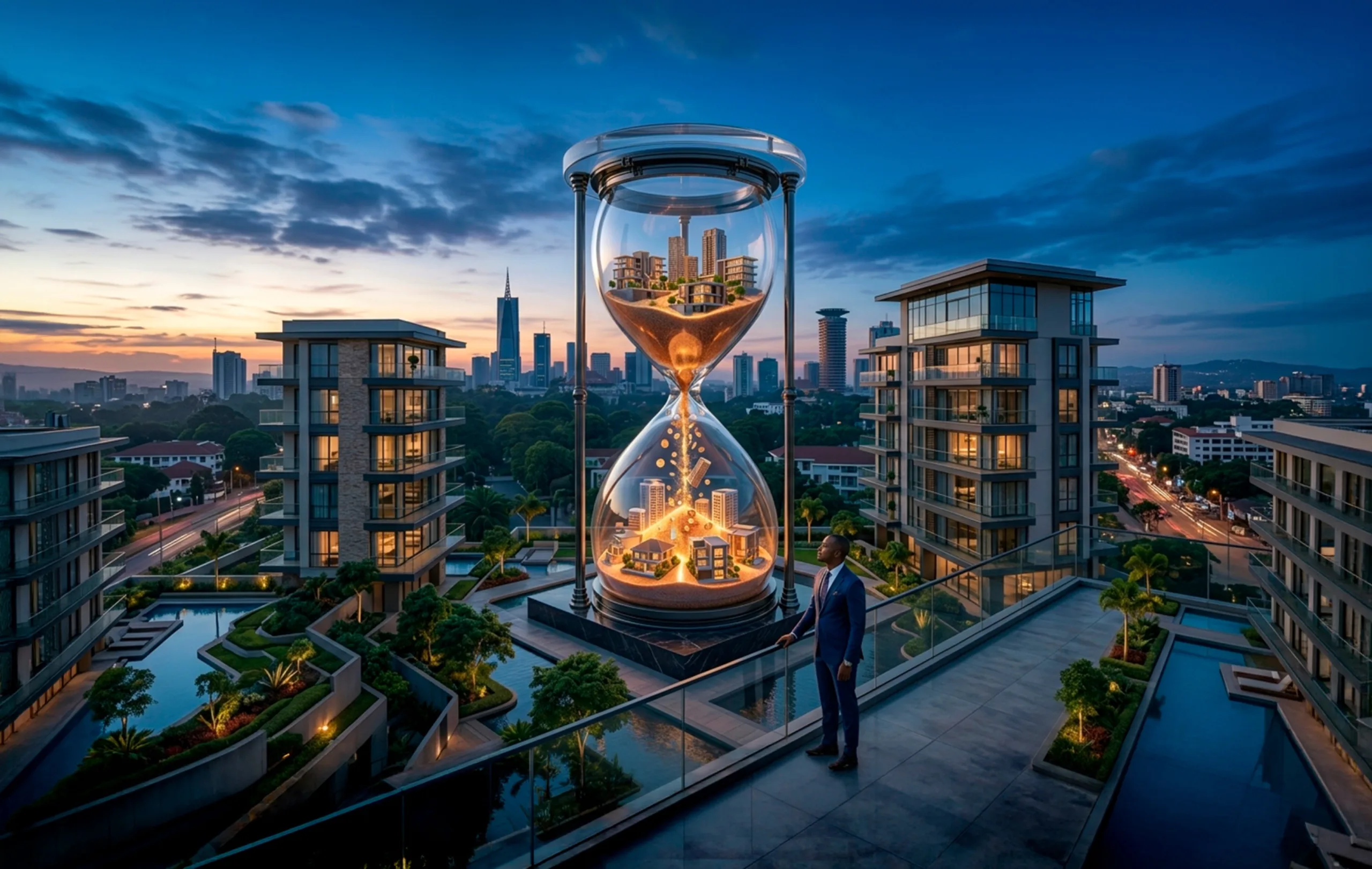
Many investors fear making the wrong investment decision. This is very understandable, because, let’s face it, no one wants to put their money into something that will later become an expensive burden. However, this fear can be very crippling and prevent you from ever making a move, which is one of the worst financial mistakes one can make.
Delayed decision-making in investment can cause you to lose out on plenty of income, returns and subsequently, negatively impact long-term wealth creation. Understanding the cost of delay meaning is crucial because every month spent waiting can have a measurable financial impact. In this blog, we look at what the cost of delay means in investment, why it happens, the hidden costs and how to calculate it.
What Is The Cost Of Delay?
The cost of delay is a business metric that offers insights into how time and value correlate. Simply put, the cost of delay meaning refers to the value or return lost when a decision is postponed. In the real estate investment sense, calculating the cost of delay involves examining the cost you incur when you keep postponing the time you put your capital to work. By delaying your investment, you may delay your ability to generate income. Additionally, you may tamper with your ability to meet investment goals, which may result in missed opportunities and loss of potential profits.
The Cost Of Delay: Why It Happens
Most people think that investment is purely financial. However, it is also psychological. People mentally commit to projects first before injecting capital. It is therefore no surprise that the same applies to indecision about whether or not to invest. Here are a few reasons why the cost of waiting to buy a home plagues investors:
Price Hangups: A lot of investors typically waste time waiting for market prices to drop, which is rarely the case for real estate.
Market Anxiety: The fear of market uncertainty and concern about factors such as interest rates and economic conditions causes a lot of investors to hesitate in decision-making.
Analysis Paralysis: Many investors get caught up in over-analyzing the market, absorbing too much information in the name of research, and comparing options instead of actively making a decision. While research and due diligence are crucial steps in property investment, overthinking and information overload stall action.
The Illusion of Perfection: Ruminating on the “ideal time” to invest increases your cost of delay. The truth is, when it comes to real estate, the perfect time rarely arrives. Property investment rewards action.
Calculating The Cost Of Delay In Real Estate Investing
When calculating cost of delay in property investment, investors should consider these primary factors:
- Rising property prices that make market entry difficult.
- Lost rental income that could have been earned during the waiting period.
- Lost capital appreciation from rising property values.
- Reduced purchasing power caused by inflation.
The more an investor puts off making a concrete decision on property investment, the more the cost of delay increases and, consequently, they lose out on potential returns and income. Below are elaborate explanations for how the cost of delay affects these four factors overtime:
Rising Property Prices
Property values tend to increase over time, especially if the property is located in a prime area such as Westlands, Riverside, Karen and Kilimani. These areas have a reputation for long-term property price growth thanks to their accessibility, greenery, and abundance of luxury properties. An investor looking to tap into these segments must, therefore, act fast because they are high-demand markets. Here’s a small breakdown of calculating the cost of delay you are likely to incur when you hesitate:
A one-bedroom apartment in Riverside priced at $200,000 today, appreciating at approximately 12% annually, will cost $224,000 in a year. This means that should you buy after a year, you will have to pay an extra $24,000 for the same property, which is money that could have been put to use elsewhere. The more you wait, the higher the cost of delay.
Lost Rental Income
As you wait for everything in the property market to be perfect, your account remains empty. Unlike stocks that are highly dependent on daily market performance, a strategically positioned real estate asset can generate you consistent and reliable cash flow every month. Taking the same example of the $200,000 one-bedroom unit at Riverside: if it is capable of generating an average of $1,500 monthly, this is how much you lose the longer you wait:
6 months = $9,000 in lost income
12 months = $18,000 in lost income
24 months = $36,000 in lost income
The kicker is, you are not just losing out on rental income alone. You are also losing out on a tool that can be used to financially supplement other areas of your life such as:
- Reinvesting into additional assets to build an investment portfolio.
- Paying for financial obligations like mortgages, loans and other pending bills.
- Covering maintenance and operational costs.
- Building your emergency fund.
The more you delay earning rental income, the more you sabotage your chances of wealth building and your money’s ability to work for you.
Lost Capital Appreciation
Besides rental income, one other major way of wealth building in property investment is through capital appreciation. While delaying rental income impacts your short-term earnings, delaying capital appreciation severely impacts your ability to create wealth in the long run. This means that not only are you limiting your chances of earning monthly income, you are also missing out on capitalizing on the property’s increasing value.
Here’s a tale of two investors: Investor A, decides to purchase a unit today. This investor will experience a double advantage. They will start earning rental income almost immediately while benefiting from the unit’s value appreciation. Investor B, on the other hand, is still unsure about what move to make. As a result, they earn nothing. To add on, should Investor B finally decide to purchase the same unit as Investor A, they are likely to pay a higher price because the property will have appreciated. The same property can produce significantly different results for both investors depending on how quickly each acted.
The Problem Of Inflation
Most people understand that inflation makes everyday living expensive. Groceries are suddenly too costly, fuel prices are constantly shooting up and every purchase becomes a penny-pinching exercise. However, what most fail to realize is that overtime, the effects of inflation slowly seep into other areas of the economy. Your purchasing power declines not only from a consumerist position but also in asset acquisition. Real estate is no exception.
As inflation rises, so does the cost of construction materials, labour, property development and land values. Eventually, property prices also follow suit. This means the money laying idle in your account gradually inhibits gainful property investment. For instance, if you have $200,000 in your account, with an inflation rate averaging 5% annually, this is how much it will cost you when waiting to buy a home:
- After 1 year, your money will buy what $190,476 buys today.
- After 5 years, your money will buy what $156,706 buys today.
- After 10 years, your money will buy what $122,782 buys today.
In future, you will need more money to be able to have the same purchasing power as the $200,000 you have today for the same asset. This purchasing power gap becomes even more bleak when you put into consideration other investment costs as they will inevitably increase due to inflation. Inflation is not just an increase in the prices of things; it significantly reduces how much your money can buy. The cost of waiting to buy a home increases because your money will have to work harder to maintain its value.
Conclusion
The most expensive mistake in property investment rarely has anything to do with the property price. Rather, it is the compounding effect of inaction. The cost of waiting to buy a home far outweighs the risk of active investment because every delayed decision has a cost: lost rental income, missed capital appreciation and reduced purchasing power due to inflation. Smart investors don’t build real estate wealth by waiting for the perfect time or overanalysing the market but by seizing the opportunity when everyone else isn’t paying attention.
Ready to begin your investment journey in Nairobi? Our collection of developments is designed to ensure you get the most out of your investment. All you have to do is contact us and we’ll help you secure your spot in Nairobi’s dynamic property market.
Frequently Asked Questions (FAQs)
What are the three components of the cost of delay?
The cost of delay in real estate investing typically consists of three key components:
1. Lost Rental Income
2. Lost Capital Appreciation
3. Inflation and Reduced Purchasing Power
What is the minimum time it takes to buy a house?
The time required to buy a house depends on the market, financing method, financial capability and legal process. In most cases:
- Cash purchases can be completed in as little as 2–6 weeks.
- Mortgage-financed purchases typically take 1–3 months.
- Off-plan properties can often be reserved immediately, with payments spread over several years (typically up to five years) during construction.
Should I buy a house now or wait?
The answer depends on your financial readiness and investment goals, but waiting can often be more expensive than acting. Rather than trying to perfectly time the market, many successful investors focus on buying quality assets and allowing time to work in their favour.
