
Thinking Of Renovating Your Nairobi Home? Start Here.
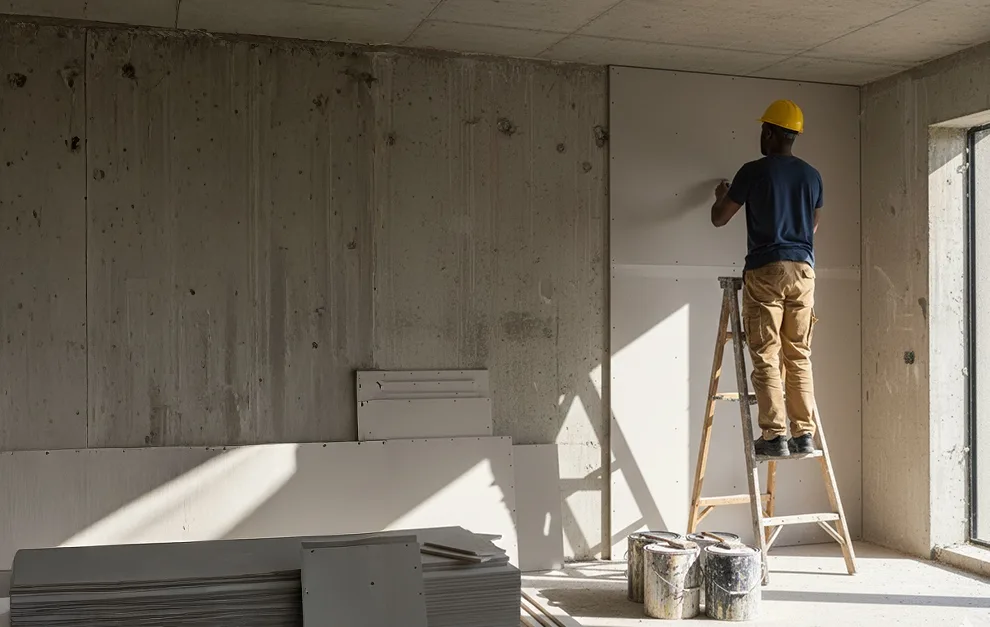
In an ever-evolving and dynamic market such as real estate, homeowners have no choice but to keep up. One of the ways they do this is through renovating their homes. But beyond the fresh coat of paint and new bathroom tiles, the process involves crucial steps that you can’t afford to overlook. This guide explores the process when renovating your Nairobi home.
The Process Of Renovating Your Nairobi Home
Just like with everything in real estate, renovation is a process that requires a meticulous and well thought-out plan. Before making any changes to your home, you need a well-defined roadmap to guide you through the process. Here are the steps to take when renovating your Nairobi home:
1. Define Your Renovation Goal
What is the reason for your renovation? This question may sound mundane, but it sets the tone for what you do with your home. For instance, if you own a short-stay rental, your reasons for renovating are entirely different from a home that you intend to sell. For a short-term rental, the goal is to increase rental appeal. This means that you will upgrade the space with modern and functional features yet still maintain a trendy feel that’s aesthetically pleasing. If you’re looking to resell your home, you will need to focus on strategic upgrades that will justify a higher selling price.
2. Budgeting
Now that you’re clear on your goals, the next step is to set a budget. The budget should not only align with what you have in mind, but also be realistic and according to your financial capability. Your renovation budget will also be influenced by the kind of finishes and fixtures you want, the scope of work that needs to be done and where you’ll source your materials from. All these need to be accounted for within your budget.
3. Acquire The Necessary Permits
For the sake of legal compliance, safety and environmental responsibility, you are required to obtain permits before facilitating any construction work in Nairobi. This means that renovations also apply. Below are some examples of permits required when renovating your Nairobi home:
- Structural changes: This includes activities such as removing or altering walls, expanding or adding rooms, changing the building’s facade and changes to balconies, terraces, fencing and roofs.
- Major plumbing and electrical works: Such as installations or replacements.
- Changes to the heating and ventilation systems.
When renovating your Nairobi home, you will need the following key approvals:
Nairobi County Government Approval: This is the main permit from the county government.
Architectural and Structural Approvals: To ensure compliance with building and zoning regulations, you must submit both architectural and structural plans for approval at the County or Sub-County Planning Department.
Occupancy Certificate: To make sure the work was done correctly, you must apply for this after renovations are done.
Without approved building plans, construction cannot begin. In fact, starting a project without these approvals can lead to legal issues, fines, or even the demolition of the structure.
4. Hire Professionals
If you want good results when renovating your Nairobi home, you need to hire the right team. This means that, not only should you work with qualified professionals, but they also need to be licensed. All contractors and sub-contractors should be registered with the National Construction Authority (NCA) and possess a valid practicing license. Additionally, any engineers, architects, and quantity surveyors working on your home need to be registered with their respective professional boards.
5. Execution
Once you’ve ensured that you have all the necessary approvals and the ideal team, you can now begin renovating your home. However, you still need to ensure smooth operations by:
- Holding weekly site meetings. This will help you track timelines and inform you of any mishaps.
- Managing the workmanship quality through your construction personnel.
- Confirming the timely delivery of construction materials.
- Approving any changes through written agreements to avoid unnecessary expenditure, delays and theft.
6. Completion
Before you declare your renovations complete, ensure you incorporate a snag list. This list will help you confirm whether all the agreed renovation works have been done. A snag list helps you rule out incomplete tasks, minor defects like dents and scratches, incorrect installations, and any damages that may have happened during construction.
Final Thoughts
Renovating your Nairobi home is one of the smartest moves you can make, especially if you want to increase your property’s value or rental appeal and income. However, without following the necessary steps, it can be a costly and wasteful affair. With clearly defined goals, a reasonable budget, legal compliance and the right team, renovation can significantly transform your property’s value and make it stand out in Nairobi’s market.
